Inside Kraken VIP: behind the curtain
Welcome to the first edition of a monthly look at what sets the Kraken VIP experience apart.
Welcome to the first edition of a monthly look at what sets the Kraken VIP experience apart.
Panama City, April, 2026 – Recently, HTX officially released its 2026 Digital Asset Trends White Paper (the “White Paper”). The report was jointly published with leading industry platforms and media including BlockBeats, ChainCatcher, Foresight News, HTX Learn, HTX Research, Odaily, PANews, RootData, and TechFlow. Against a backdrop of market consolidation and cautious sentiment, this report provides a timely re-evaluation of the digital asset landscape. By offering a systematic framework and forward-looking analysis, it aims to help investors find clarity and maintain a strategic foothold throughout this evolving cycle.
Grid trading is a robot that automates the buying and selling of futures contracts.
News of the Week
Bitcoin Enters April With Positive Flows but Thin Conviction
Apr 1, 2026 • 4 min read4 data points in 4 days: what this week’s US releases mean for markets
Apr 1, 2026 • 7 min readOKB is available for trading!
Apr 3, 2026 • 2 min readIntroducing xStocks Opt-In Rewards: earn up to 1% rewards by holding xStocks
Apr 2, 2026 • 4 min read
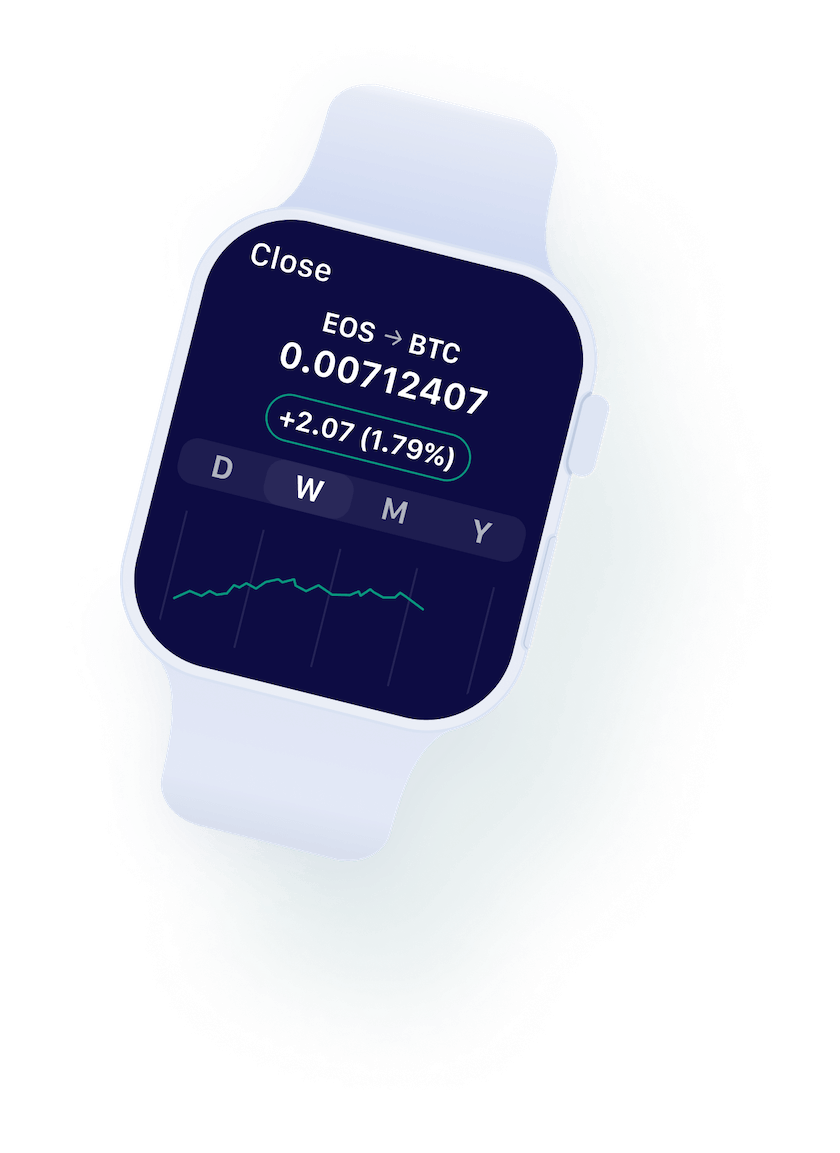
Disclaimer: Cryptohopper is not a regulated entity. Cryptocurrency bot trading involves substantial risks, and past performance is not indicative of future results. The profits shown in product screenshots are for illustrative purposes and may be exaggerated. Only engage in bot trading if you possess sufficient knowledge or seek guidance from a qualified financial advisor. Under no circumstances shall Cryptohopper accept any liability to any person or entity for (a) any loss or damage, in whole or in part, caused by, arising out of, or in connection with transactions involving our software or (b) any direct, indirect, special, consequential, or incidental damages. Please note that the content available on the Cryptohopper social trading platform is generated by members of the Cryptohopper community and does not constitute advice or recommendations from Cryptohopper or on its behalf. Profits shown on the Markteplace are not indicative of future results. By using Cryptohopper's services, you acknowledge and accept the inherent risks involved in cryptocurrency trading and agree to hold Cryptohopper harmless from any liabilities or losses incurred. It is essential to review and understand our Terms of Service and Risk Disclosure Policy before using our software or engaging in any trading activities. Please consult legal and financial professionals for personalized advice based on your specific circumstances.